High Calorie Meal Prep for Bulking
A clean-bulk system built on whole foods: a controlled calorie surplus, lean proteins, complex carbs, and the right oils — prepped once and ready to eat for the whole week.
What a clean bulk actually looks like
A clean bulk is a calorie surplus assembled from whole, minimally processed ingredients. The goal is to build muscle on the back of consistent training without piling on unnecessary fat. Done well, it adds roughly 0.25–0.5 kg of bodyweight per week and feels sustainable for months — not a six-week binge you have to undo.
Daily calorie and macro targets
- Calories: maintenance + 250–500 kcal. Most lifters land between 2,800 and 3,500 kcal.
- Protein: 1.6–2.2g per kg of bodyweight. For an 80kg lifter: ~150–175g daily.
- Carbs: 4–6g per kg — skew the largest portions around training. Rice, oats, potatoes, sourdough.
- Fats: 0.8–1g per kg from olive oil, avocado, nuts, egg yolks, and fatty fish.
The five whole-food anchors of a bulking prep
- Lean proteins: chicken thigh, lean beef mince, salmon, eggs, Greek yogurt.
- Complex carbs: jasmine rice, rolled oats, sweet potato, white potato, sourdough.
- Quality oils: extra virgin olive oil, avocado oil, whole avocados — easy 100–200 kcal top-ups per meal.
- Calorie-dense extras: peanut butter, almonds, walnuts, dried fruit, full-fat dairy.
- Volume vegetables: spinach, broccoli, peppers — keep digestion, micros, and fibre on track while calories climb.
Step-by-step weekly prep
- Plan the surplus. Pick a calorie target, then divide into 4 meals + 1 snack — about 700–800 kcal per meal at the higher end.
- Batch the carbs first. Cook 1.5kg of rice and roast 2kg of potatoes. These are your base and they dictate the calorie floor.
- Cook proteins in two tracks. Sheet-pan chicken thighs in the oven while salmon or beef mince goes on the stovetop — two flavour profiles keep the week interesting.
- Portion with oil. Drizzle 1 tbsp olive oil (~120 kcal) per container. This is the easiest, cleanest way to add calories without bulk.
- Keep fresh add-ons separate. Avocado, nuts, and sauces go on at serving time so textures stay right and nothing goes soggy by day 3.
- Pre-build a liquid calorie. An oat-yogurt-peanut-butter shake adds 600+ clean kcal in 90 seconds when you fall short on a busy day.
12 calorie-dense recipes to anchor your prep
Sorted by calories. Tap any card for the full recipe and macro breakdown.
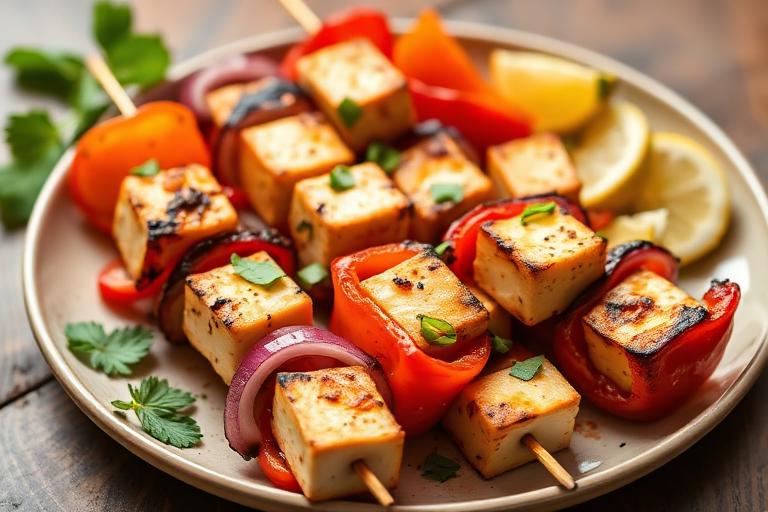
Paneer Tikka Skewers
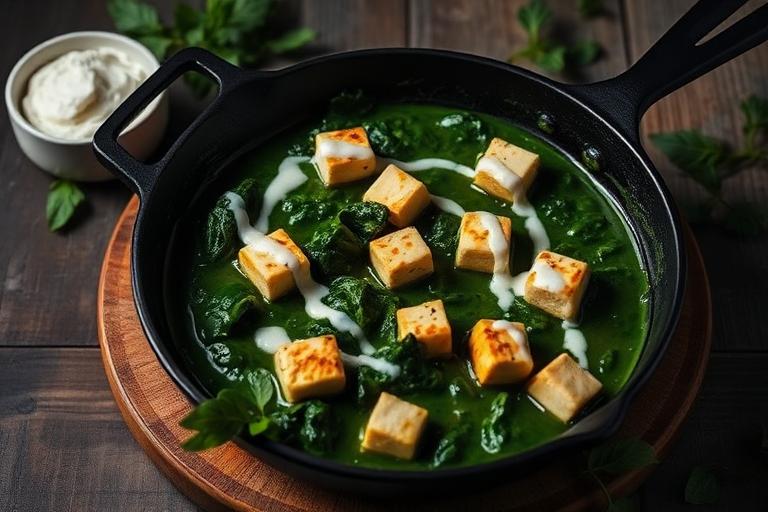
Palak Paneer Skillet
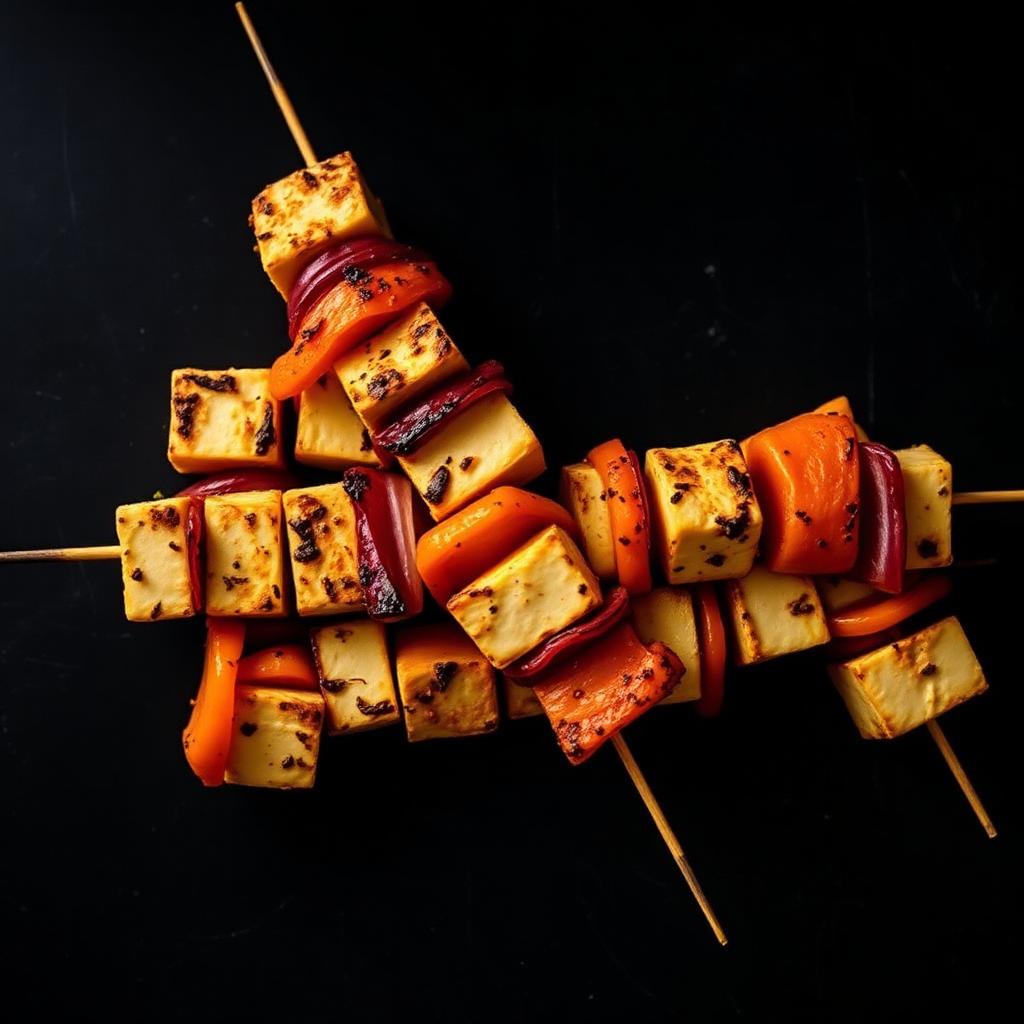
Air Fryer Paneer Tikka
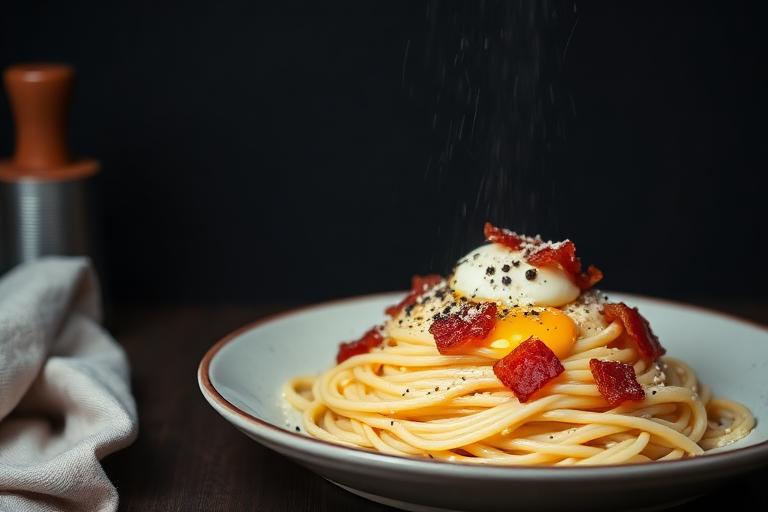
Chicken Carbonara Lite
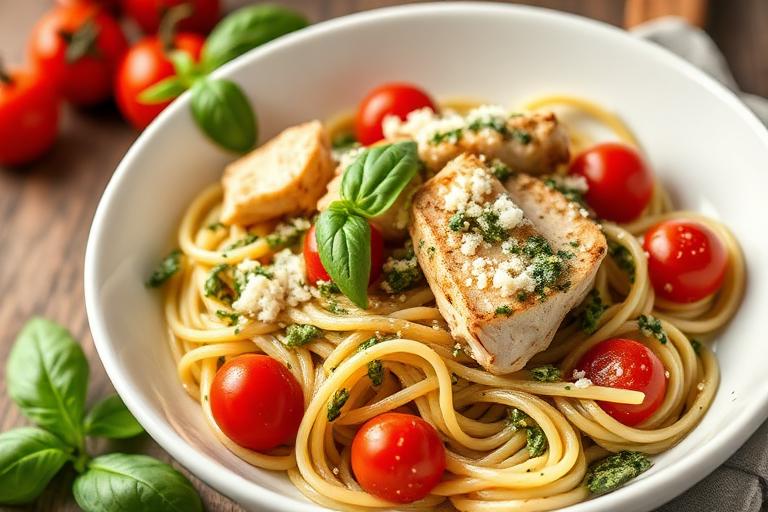
Chicken Pesto Pasta

Japanese Chicken Katsu Don
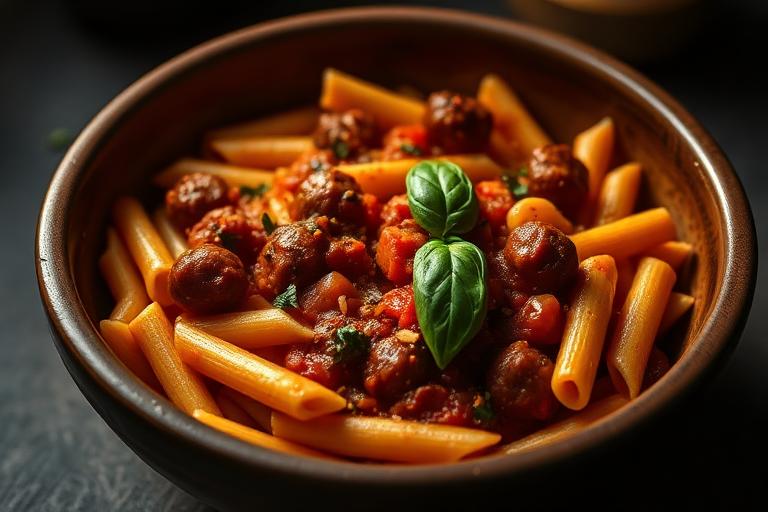
Spicy Sausage Penne
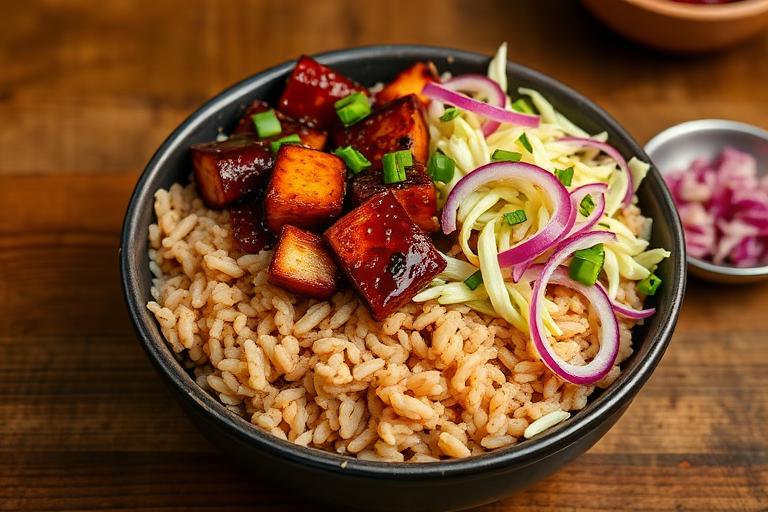
Tempeh BBQ Bowl
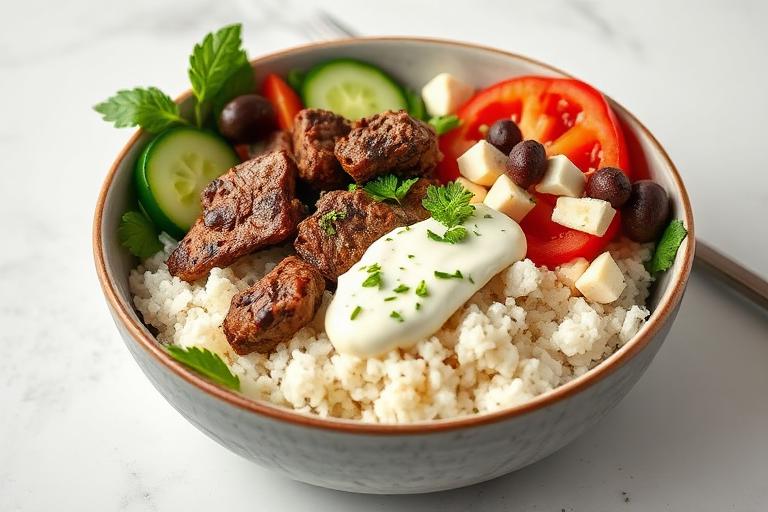
Greek Lamb Bowls
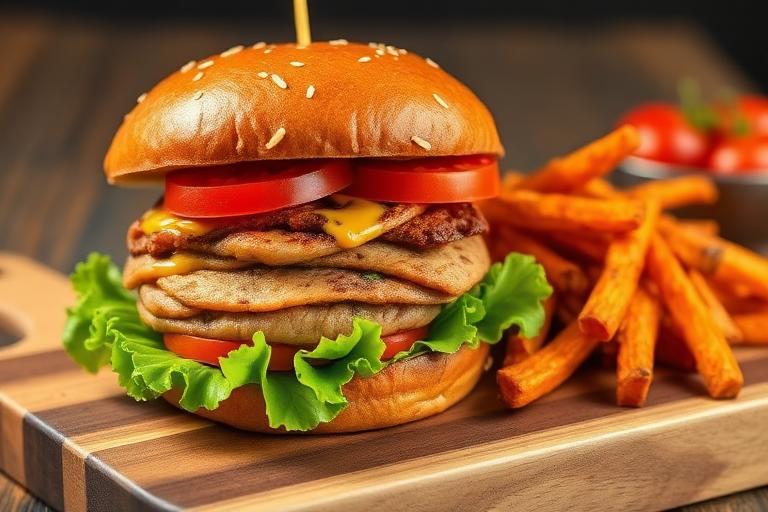
Turkey Burger with Sweet Potato Fries
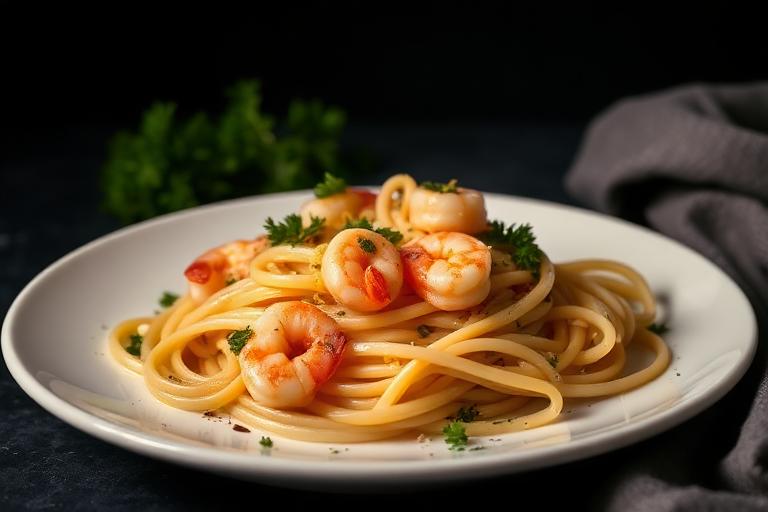
Lemon Shrimp Linguine
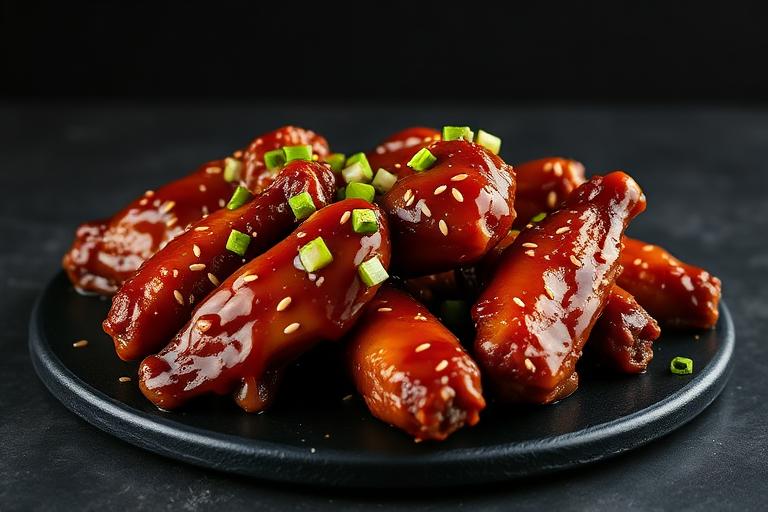
Honey Garlic Chicken Wings
Heavy protein, heavy calorie options
For the days you're hitting the gym twice or coming off a long session.
Paneer Tikka Skewers
Palak Paneer Skillet
Air Fryer Paneer Tikka
Chicken Carbonara Lite
Chicken Pesto Pasta
Japanese Chicken Katsu Don
Frequently asked questions
How many calories should I eat to bulk cleanly?
A surplus of 250–500 kcal above maintenance is ideal — fast enough to build muscle, slow enough to keep fat gain minimal. Most lifters land between 2,800 and 3,500 kcal per day.
What macro split works best for bulking?
Aim for ~1.6–2.2g of protein per kg of bodyweight, 4–6g of carbs per kg with the largest portions around training, and the remainder from fats (about 0.8–1g per kg) — heavy on olive oil, avocado, nuts, and fatty fish.
Can I bulk without dirty foods?
Yes. Calorie-dense whole foods — oats, rice, potatoes, salmon, beef, eggs, olive oil, peanut butter, and dried fruit — get you to a surplus without the bloat, crashes, or unnecessary fat gain.
How long do prepped bulking meals last?
Cooked grains, roasted vegetables, and lean proteins hold for 4 days refrigerated. Portion oils, sauces, and avocado fresh on serving day to keep textures and flavours intact.
Build your bulk
Filter every recipe by calories, protein, and prep time to plan your week.
See all recipes →